 Each milestone at AGL College marks our unwavering dedication to student success, innovation, and lifelong learning.
Each milestone at AGL College marks our unwavering dedication to student success, innovation, and lifelong learning.
Each milestone at AGL College marks our unwavering dedication to student success, innovation, and lifelong learning.
If you’re an educational professional who are looking to progress into management and consultancy, or an educational planning or development role, this is the best degree for you.
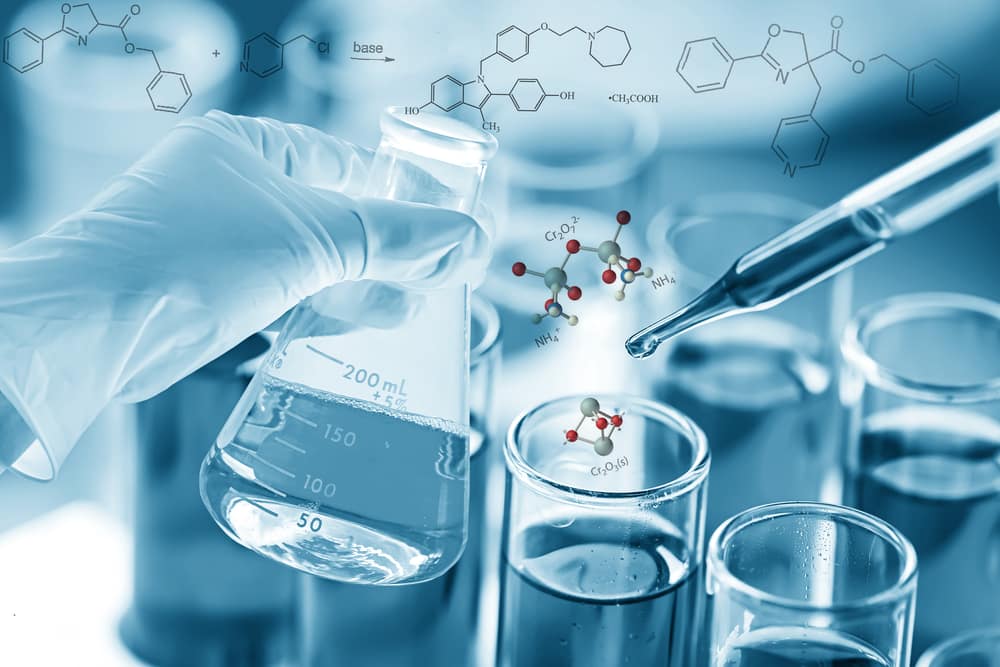
The M.Sc. (Organic Chemistry) program at AGL Degree College, is a full-time, two-year postgraduate course designed to deepen knowledge and research skills in organic chemistry. The curriculum covers advanced topics such as organic reaction mechanisms, synthesis, spectroscopy, and analysis, combining rigorous theoretical study with practical laboratory work to prepare students for careers in research, academia, pharmaceuticals, and chemical industries.
| Time | Place | Date Range |
|---|---|---|
| 8:30am – 01:00pm | Vizianagaram | Aug 21, 2018 – Dec 15, 2018 |

The M.Sc. program at AGL College is an excellent option for students seeking a strong scientific foundation with practical industry relevance and multiple career avenues.
Students engage in extensive laboratory experiments, seminars, and project work, which foster critical thinking and hands-on expertise in organic synthesis and analytical techniques. The course structure builds scientific inquiry and problem-solving abilities essential for specialized roles in chemical research, quality control, and drug development.
Admission to the M.Sc. Organic Chemistry program requires a bachelor’s degree in chemistry or a related field, with merit-based selection according to college criteria. The program equips graduates to pursue doctoral studies or professional roles, supported by AGL Degree College’s academic guidance, lab facilities, and placement assistance.